

Spring Planting Checklist: Everything a Lazy Gardener Needs to Do (and Skip)
Most spring gardening advice is written for people who enjoy spending entire weekends on their hands and knees. This checklist is not. It is for everyone who wants a productive, beautiful garden without turning spring into a second job.
Spring is energizing, but it can also feel overwhelming fast. Every source seems to have a 40-step list that leaves you wondering where to even begin. The good news: you do not need to do most of it. As a lazy gardener, your real advantage is knowing which tasks actually move the needle and which ones you can skip without any consequence to your harvest or your flowers.
This guide breaks it all down clearly. The non-negotiables, the nice-to-haves, a simple timing guide, and the tasks you can confidently cross off your list before you even start.
Start Here: Know Your Last Frost Date
Before you buy a seed packet or move a single pot outside, find your last average frost date. This one piece of information drives every timing decision you will make this season. Plant warm-season crops too early and a cold night wipes them out. Wait too long and you shortchange your harvest window.
Look up your USDA Plant Hardiness Zone and last frost date at the Old Farmer's Almanac using your zip code. Write it somewhere visible. Most of the continental US sees last frost between mid-March (Zone 9 and above) and late May (Zones 3 and 4). If you are in Zones 6 or 7, mid-April is your general benchmark.
Cool-season crops like lettuce, peas, and spinach can go in the ground 4 to 6 weeks before your last frost date. Warm-season crops like tomatoes, peppers, and cucumbers wait until after it passes.
The Lazy Gardener's Spring To-Do List
These are the tasks that genuinely matter. Skip any of these and you will be fighting problems all season. Do them and your garden runs itself.
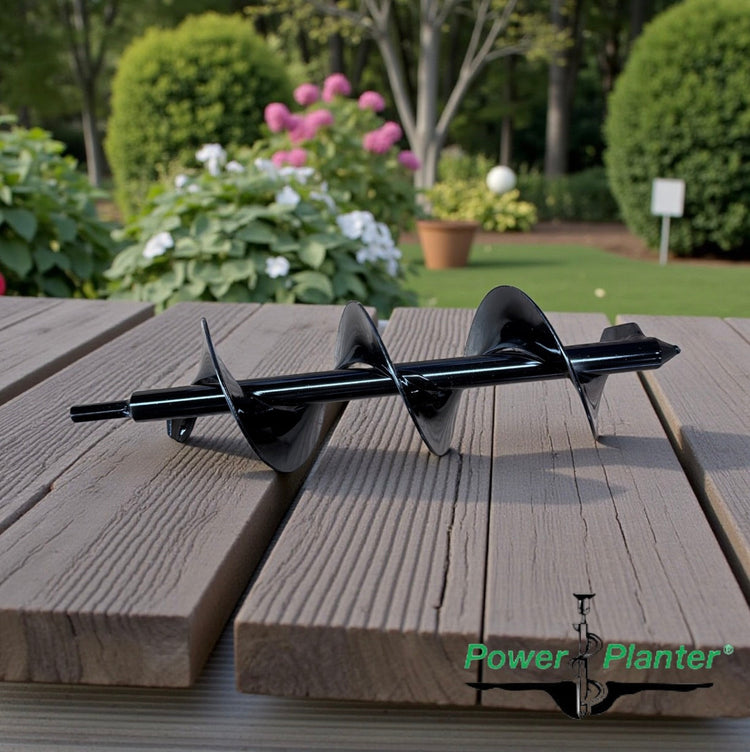
DIY Guru Auger 3" x 12" by Power Planter
Attach this solid steel 3"x12" bit to any cordless drill and dig perfectly sized planting holes in seconds. Works in dirt, clay, rocky soil, and sand, and leaves loose soil at the bottom to reduce transplant shock.
Shop the DIY Guru AugerWhen to Do What: A Simple Spring Timeline
Timing matters more than intensity in spring gardening. Here is the whole season broken into four simple windows.
-
6 to 8 Weeks Before Last FrostStart Seeds Indoors
Start tomatoes, peppers, eggplant, and slow-growing herbs like basil under a grow light or in a sunny south-facing window. Use a quality seed-starting mix and keep the soil consistently moist until germination.
-
4 to 6 Weeks Before Last FrostDirect Sow Cool-Season Crops
Sow peas, lettuce, spinach, kale, Swiss chard, and radishes directly in the ground once soil is workable and above 40 degrees. These crops handle light frosts without any protection needed.
-
1 to 2 Weeks Before Last FrostHarden Off Indoor Seedlings
Gradually introduce indoor-started seedlings to outdoor conditions. Set them outside in a sheltered spot for a few hours daily, increasing exposure over 7 to 10 days before transplanting to the garden.
-
At or After Last Frost DatePlant Everything Warm-Season
Transplant tomatoes, peppers, squash, cucumbers, and basil outdoors. Direct sow beans, corn, and sunflowers. Add annual flowers. This is the main planting window most people think of when they picture spring gardening.
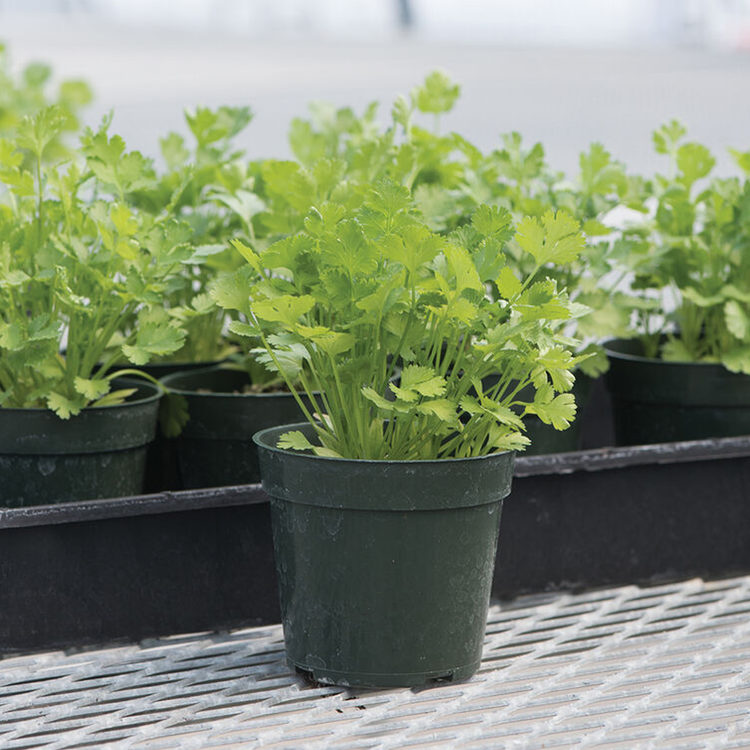
Santo Organic Cilantro and Coriander Seeds
A certified organic, slow-bolt cilantro variety that yields fresh leaves in 50 days and fragrant coriander seeds if left to flower. Direct sow every 2 to 3 weeks for continuous harvest all season.
Shop Santo Cilantro SeedsWhat the Lazy Gardener Can Safely Skip
Here is the part that separates this guide from every other spring checklist. These are tasks that gardening content treats as essential but that low-effort gardeners can skip without meaningfully harming their results.
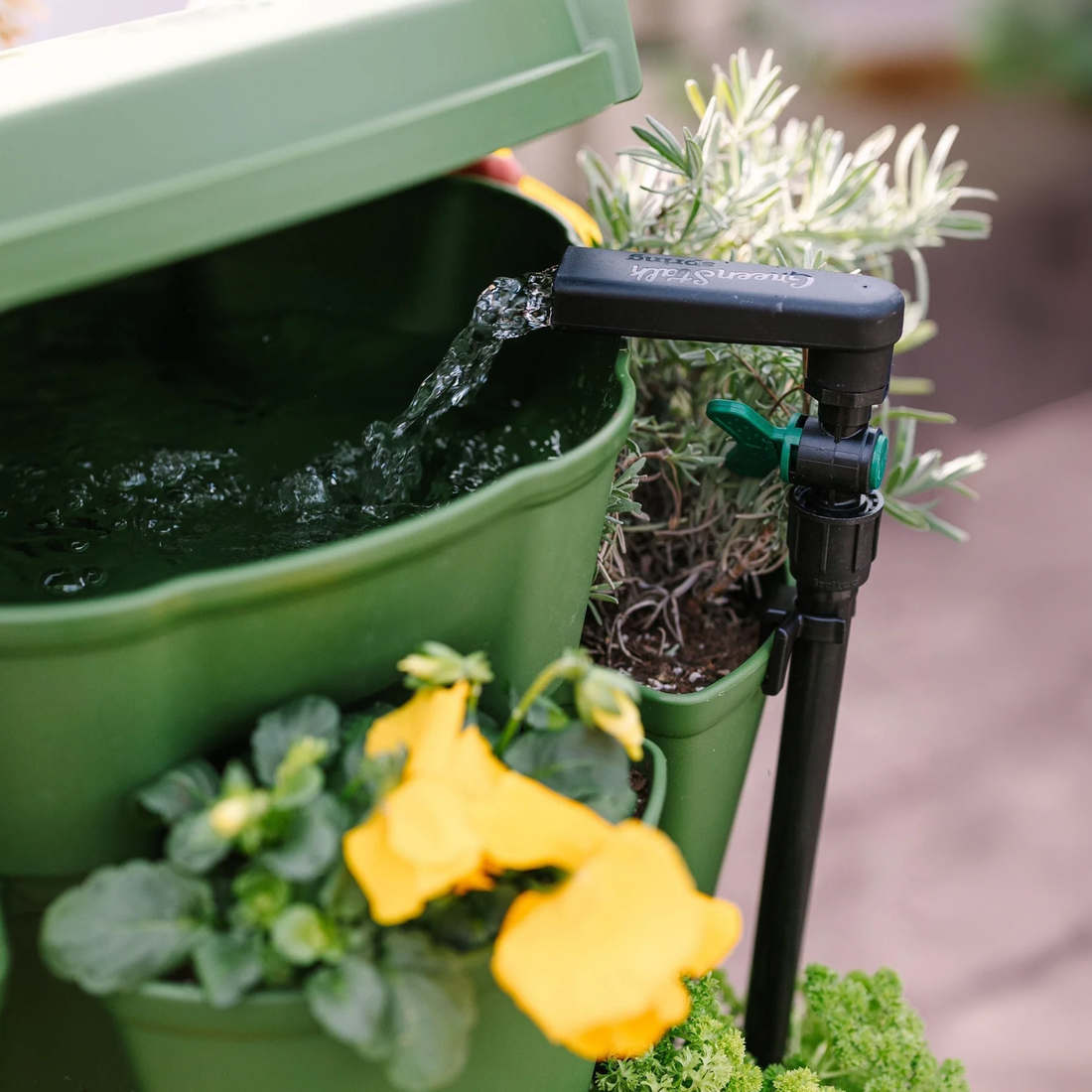
GreenStalk Garden Spring Watering System
Connects to a standard garden hose and waters your GreenStalk planter automatically on your schedule. USA-made, BPA-free, with a debris-blocking lid and exclusive side clips to keep tubing tidy.
Shop the GreenStalk SpringThe Laziest Plants to Grow This Spring
Not all plants ask the same amount of you. These varieties are forgiving, fast-producing, and genuinely hard to mess up.
Vegetables
| Crop | When to Plant | Days to Harvest | Why It's Lazy-Friendly |
|---|---|---|---|
| Lettuce | 4 to 6 weeks before last frost | 30 to 45 days | Cut-and-come-again, no staking, tolerates partial shade |
| Radishes | 4 to 6 weeks before last frost | 25 to 30 days | Fastest crop in the garden, almost impossible to fail |
| Peas | 4 to 6 weeks before last frost | 60 to 70 days | Fix their own nitrogen, self-twining on most supports |
| Bush beans | After last frost | 50 to 55 days | No staking, no trellising, prolific producer |
| Zucchini | After last frost | 50 to 60 days | One or two plants feeds a household all summer |
Herbs Worth Growing
Flowers That Thrive on Neglect
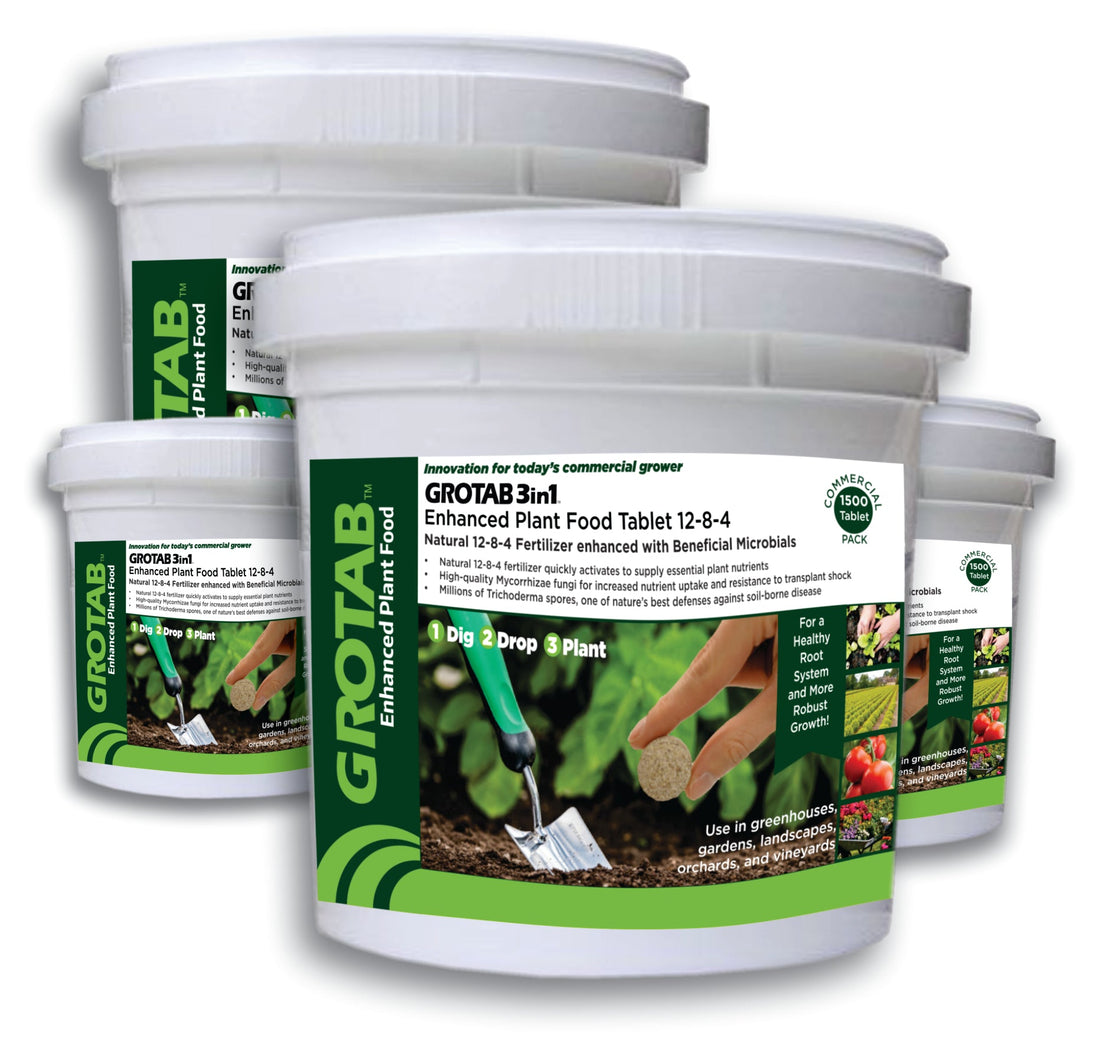
GroTab Fertilizer Tablets
A 3-in-1 biostimulant tablet with mycorrhizal fungi, Trichoderma, and 12-8-4 slow-release NPK. Just dig, drop, and plant above it. One tablet per vegetable plant, lasts 3 months.
Shop GroTab TabletsSpring Planting for Containers and Raised Beds
Containers and raised beds are the lazy gardener's best friends. They warm up faster in spring, drain better, produce far fewer weeds, and are much easier to work than in-ground beds. A few things to know specifically for container spring planting:
Refresh your potting mix instead of replacing it
Container soil gets depleted and compacted after a growing season. Instead of replacing it entirely, top off with a few inches of fresh potting mix and add a slow-release fertilizer. This restores nutrition and water retention at a fraction of the cost and effort of full repotting.
Watch container temperatures in early spring
Containers warm up faster than in-ground soil, which is great for early planting, but they also lose heat faster overnight. Dark-colored containers absorb more daytime warmth. If a late frost threatens after you have already planted, cover containers with an old bedsheet or frost cloth overnight and uncover them in the morning.
Choose the right pot from the start
Always use containers with drainage holes. Standing water at the bottom of a pot is the fastest route to root rot and a failed spring planting. Terracotta pots work especially well for plants that prefer to dry out slightly between waterings.
The Tools That Actually Save You Time
You do not need a shed full of equipment to run a great spring garden. A small set of reliable, well-maintained tools does everything. The ones worth owning:
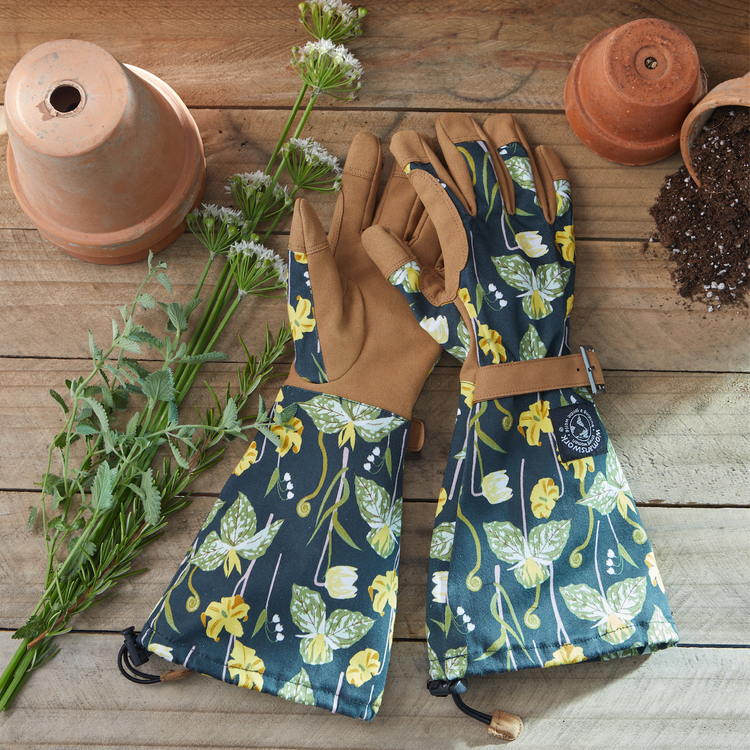
Arm Saver Garden Gloves
Extra-long cuffs shield arms from scratches, insect bites, and sun exposure, with a cinch cord to seal out soil. Reinforced synthetic leather palms, cotton-spandex twill body, machine washable.
Shop Arm Saver GlovesFrequently Asked Questions
When should a lazy gardener start spring planting?
Start as soon as your soil is workable and no longer frozen. Cool-season crops like lettuce and peas go in 4 to 6 weeks before your last frost date. Warm-season crops like tomatoes and peppers wait until after your last frost date, or can be started indoors 6 to 8 weeks before it.
What spring gardening tasks can I safely skip?
Lazy gardeners can safely skip deep annual tilling, yearly soil testing, starting every crop from seed, elaborate pest prevention spray schedules, and rigid crop rotation plans. Annual compost additions and good mulching cover most of what those tasks are meant to accomplish.
What are the easiest vegetables to plant in spring?
The easiest spring vegetables are lettuce, radishes, peas, spinach, and kale for cool weather, and zucchini, bush beans, and cucumbers once it warms up. All germinate reliably and require minimal attention once they are in the ground.
Do I need to till my garden every spring?
No. Top-dressing with compost and a slow-release fertilizer delivers the same nutritional benefit without disturbing the soil structure or the beneficial organisms living in it. Most experienced gardeners skip annual tilling entirely.
What is the single most important spring gardening task?
Feeding your soil before you plant. Healthy soil grows healthy plants that need less water, resist pests naturally, and produce more abundantly. Adding compost or a slow-release fertilizer each spring is the highest-return task in the entire gardening year.
How do I keep container soil healthy for spring planting?
Top off depleted container soil with a few inches of fresh potting mix and add a slow-release fertilizer rather than replacing it entirely. This refreshes nutrients and water retention at a fraction of the cost of full repotting, and works just as well for most spring crops.
The Bottom Line for Lazy Gardeners
You do not need a 47-step spring checklist. You need to know your frost date, feed your soil, plant the right things at the right time, and mulch everything you can reach.
The secret every experienced gardener eventually learns: good soil does most of the work for you. Feed the soil and the soil feeds your plants. Mulch well and weeds stop stealing your weekends. Plant cool-season crops early and you are harvesting lettuce while everyone else is still waiting for frost to pass.
That is lazy gardening done right. Not neglect. Just working smarter. Now close the laptop and go get your hands in the dirt.
Share