


The Lazy Gardener's Complete Guide to Low-Maintenance Plants That Basically Grow Themselves
Let's be honest: not everyone has the time, energy, or memory to fuss over finicky plants. But that doesn't mean you can't have a lush, green, Instagram-worthy home. The secret? Choosing plants that are practically self-sufficient, the kind that thrive on a little neglect, forgive a missed watering, and reward you with stunning foliage year-round. This is your complete guide to low-maintenance houseplants that basically grow themselves.
Why Low-Maintenance Plants Are the Smartest Choice
The global houseplant market has exploded in recent years, and for good reason: plants improve air quality, reduce stress, boost creativity, and make any space feel more alive. But plant mortality is real. Studies suggest that overwatering alone kills more houseplants than any other cause. The solution isn't to give up on plants; it's to choose the right ones.
Low-maintenance plants have evolved in environments where resources are unpredictable: tropical rainforest floors with dappled light, rocky cliff faces, or the crooks of trees. These survival adaptations translate directly into resilience in your home. They store water in their leaves, tolerate low light, and bounce back from neglect with remarkable grace.
The Ultimate Low-Maintenance Plant Lineup
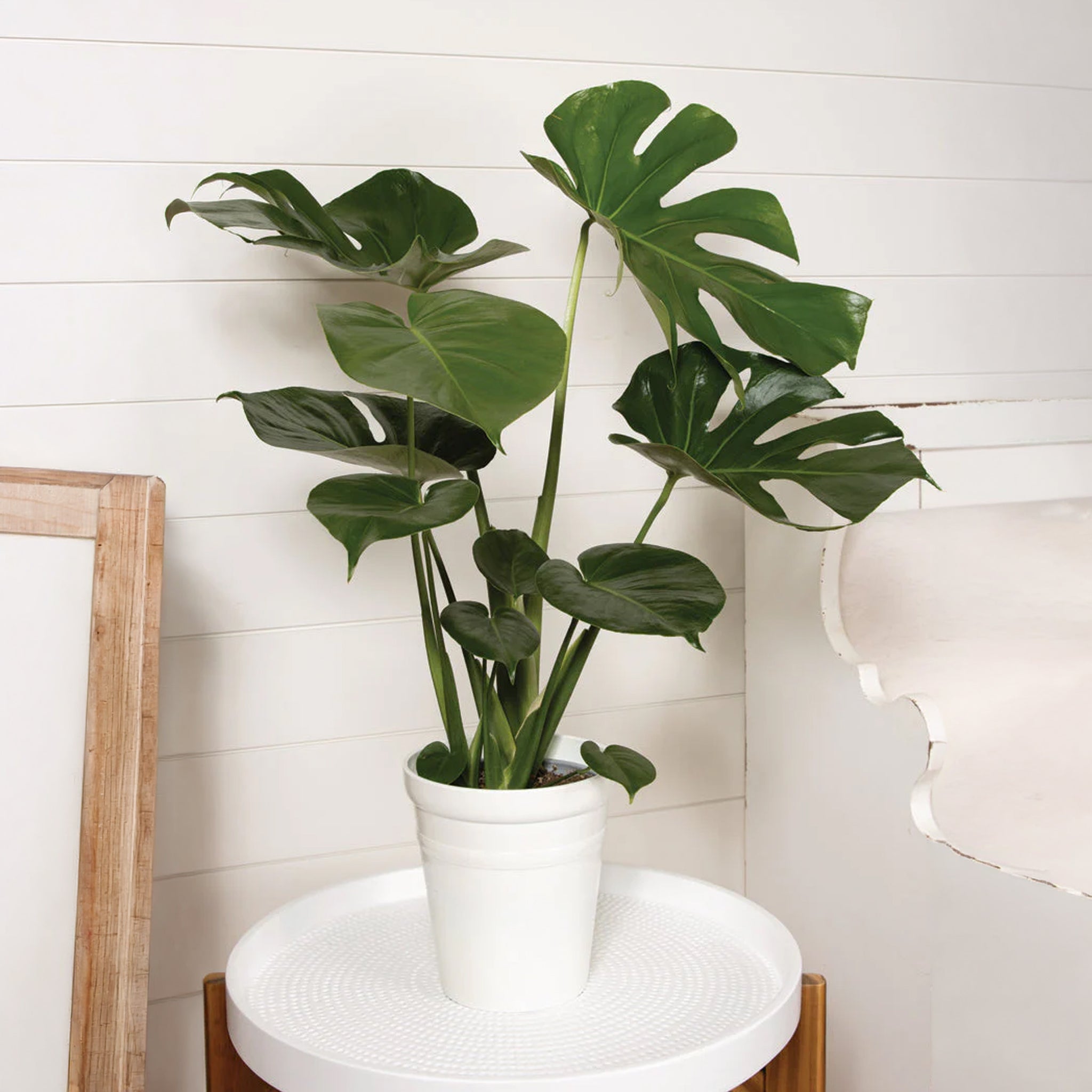
1. Monstera Deliciosa: The Icon That Earns Its Keep
If there's one plant that defines effortless indoor gardening, it's the Monstera deliciosa, also known as the Swiss Cheese Plant. Its dramatic, fenestrated leaves (those iconic holes and slits) develop naturally as the plant matures, meaning you get a living, evolving piece of art with minimal effort. It tolerates a wide range of light conditions, doesn't demand frequent watering, and is remarkably forgiving of beginner mistakes.
Monstera is also one of the fastest-growing houseplants when given adequate light, making it deeply satisfying to watch. New leaves unfurl in a slow, theatrical reveal. One of the most rewarding experiences in indoor gardening.
2. Prayer Plants: The Plants That Move While You Sleep
Prayer plants (the Maranta and Ctenanthe families) are among the most fascinating low-maintenance plants you can own. Named for their nightly ritual of folding their leaves upward, a movement called nyctinasty, they behave like living creatures, responding to the rhythm of day and night. This movement is a sign of a healthy, happy plant.
They hail from the rainforests of Brazil and appreciate humidity, but they're surprisingly adaptable to average home conditions. Their variegated foliage, with brushstrokes of green, cream, and silver, makes them as decorative as any piece of art.


3. Staghorn Ferns: The Prehistoric Epiphyte That Needs Almost Nothing
Staghorn ferns are one of nature's most extraordinary plants. In the wild, they grow as epiphytes, clinging to the surfaces of trees and absorbing nutrients from the air and rain rather than soil. This means they've evolved to thrive with minimal resources, making them ideal for the low-effort plant parent.
Their fronds are covered in tiny, scale-like hairs that give a silvery, felted appearance and serve a crucial function: absorbing moisture and nutrients directly from the air. This means they can go longer between waterings than most plants. They prefer to dry out completely between waterings and thrive in diffuse, indirect sunlight.

Quick-Reference Care Table
| Plant | Light | Water Frequency | Humidity | Difficulty |
|---|---|---|---|---|
| Monstera Deliciosa | Bright indirect | Every 1-2 weeks | Medium | ⭐ Very Easy |
| Prayer Plant (Maranta) | Medium indirect | Every 1 week | Medium-High | ⭐⭐ Easy |
| Never Never Plant (Ctenanthe) | Bright indirect | Every 1 week | Medium-High | ⭐⭐ Easy |
| Staghorn Fern | Diffuse/indirect | Every 2-3 weeks | Low-Medium | ⭐ Very Easy |
| Birchbark Fig (Ficus) | Bright indirect | Every 1-2 weeks | Low-Medium | ⭐ Very Easy |
| Anthurium | Bright indirect | Every 1-2 weeks | Medium | ⭐⭐ Easy |
| Banyan Tree Fig | Bright (max) | Every 1-2 weeks | Low | ⭐ Very Easy |
More Effortless Beauties Worth Knowing
4. Ficus: The Forgiving Fig Family
Ficus plants have a reputation for being dramatic, and some varieties are. But the right ficus is one of the most rewarding, low-effort plants you can grow indoors. The key is choosing varieties that have been specifically bred for indoor resilience, like the Cling-On® collection from LazyLeaf, where leaves are bred to resist dropping. They literally cling to the plant.


5. Anthurium: Heart-Shaped and Practically Indestructible
Anthuriums are tropical plants that have adapted to thrive in the dappled light of rainforest floors, which translates perfectly to the bright, indirect light of most homes. They're known for their waxy, heart-shaped leaves and long-lasting blooms, but even without flowers, their foliage is spectacular. They prefer to dry out slightly between waterings and are very tolerant of the occasional missed session.

The Lazy Gardener's Top 5 Mistakes (And How to Avoid Them)
1. Overwatering. This is the #1 killer of houseplants. When in doubt, wait another day. Most tropical plants prefer to dry out slightly between waterings. Stick your finger 1-2 inches into the soil and if it's still moist, wait.
2. Wrong light placement. "Low light" doesn't mean "no light." Most houseplants need at least some natural light to photosynthesize. Bright, indirect light near a window but out of direct sun is the sweet spot for nearly every plant in this guide.
3. Ignoring humidity. Many tropical plants evolved in humid environments. In dry homes (especially in winter), leaves can brown at the tips. A simple pebble tray with water, a small humidifier, or grouping plants together can make a significant difference.
4. Repotting too soon. Most houseplants actually prefer to be slightly rootbound. Only repot when roots are visibly escaping the drainage holes or the plant is clearly struggling. Repotting too frequently stresses the plant unnecessarily.
5. Using the wrong soil. Standard potting mix works for most plants, but tropical plants often benefit from a mix with added perlite for drainage. Never use garden soil indoors, as it compacts and can harbor pests.
Frequently Asked Questions
The easiest low-maintenance houseplants for beginners include Monstera deliciosa (Swiss Cheese Plant), Prayer Plants (Maranta/Ctenanthe), Staghorn Ferns, and Ficus varieties like the Birchbark Fig. These plants tolerate irregular watering, adapt to indirect light, and require minimal fertilizing.
Staghorn ferns like Living Lace® Sword Dance™ prefer to dry out completely between waterings. Monstera deliciosa and Ficus varieties also tolerate infrequent watering once established. Prayer plants prefer consistent moisture but are forgiving of occasional missed waterings.
Prayer plants (Maranta/Ctenanthe), Anthuriums, and Alocasias thrive in medium to bright indirect light and can tolerate lower light conditions. Avoid direct sun for most tropical houseplants, as it can scorch their leaves.
Not at all. Monstera deliciosa is one of the easiest houseplants to grow. It tolerates a range of light conditions, doesn't need frequent watering, and is very forgiving of beginner mistakes. Its iconic fenestrated leaves develop naturally as the plant matures.
Prayer plants (Maranta, Ctenanthe) are tropical plants that fold their leaves upward at night, a movement called nyctinasty, resembling hands folded in prayer. This is a natural response to light changes and is a sign of a healthy, happy plant.
How to Set Your Low-Maintenance Plants Up for Success
Even the most forgiving plants benefit from a good start. Here's a simple setup checklist for any new plant:
Choose the right pot. Always use a pot with drainage holes. Standing water at the bottom of a pot is the fastest route to root rot. Terracotta pots are excellent for plants that prefer to dry out, as they're porous and allow the soil to breathe.
Use quality potting mix. A well-draining, peat- or coco-coir-based potting mix is ideal for most tropical houseplants. Add 20-30% perlite for extra drainage if you tend to overwater.
Find the right spot. Most of the plants in this guide thrive in bright, indirect light. Near an east- or west-facing window is ideal. Avoid placing them directly in front of south-facing windows where intense afternoon sun can scorch leaves.
Acclimate before fertilizing. Give a new plant 4-6 weeks to settle into its new environment before introducing fertilizer. During this period, it's focusing energy on establishing roots, not growing new foliage.
Observe, don't obsess. Check in on your plants weekly and look at the soil, the leaves, the overall posture of the plant. Drooping leaves often mean thirst; yellowing leaves often mean overwatering. Your plants will tell you what they need.
Shop the Full Low-Maintenance Collection
All of these plants are available at LazyLeaf, curated, quality-grown, and ready to thrive in your home.
Ready to Build Your Low-Maintenance Plant Collection?
Browse LazyLeaf's full range of curated, quality-grown houseplants, all chosen for their beauty, resilience, and ability to thrive with minimal fuss.
Explore All Plants at LazyLeaf →Share